How a Licensed Tree Expert Identifies Dangerous Trees Before They Fall?
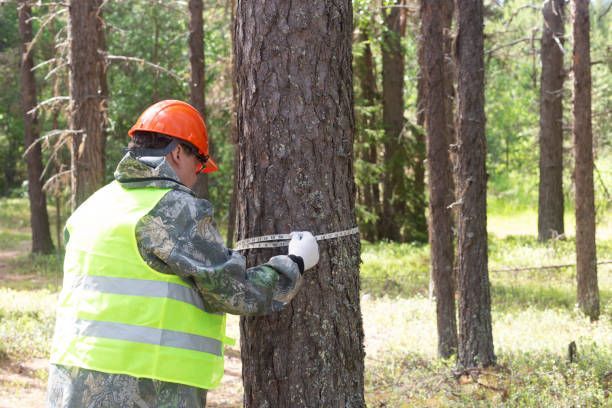
Keeping up with your tree health becomes essential during the windy season. However, most folks ignore their trees until a limb smashes through the porch. That’s a mistake. You don't need specialized training to spot trouble, but you do need to know where to look. A solid hazardous tree assessment is the difference between a safe yard and a massive insurance claim. Let’s break down how we spot the trees that are just waiting to fail.
Stop Looking at the Leaves
Everyone stares at the leaves. If they’re green, people assume the tree is healthy. That’s a trap. A tree can have a beautiful canopy while its trunk is basically severely decayed inside.
You should start at the bottom. The roots and the base tell the real story.
- The Mushroom Test: If you see shelf fungi popping out near the base, your tree is likely rotting inside.
- The Soil Heave: Is the ground lifting up on one side? That’s a sign the roots have already snapped or let go.
- The Bark Crack: Deep, vertical splits aren't just cosmetic. They mean the tree is under massive tension.
Why You Need a Pro
Think of a tree risk assessment like a mechanic looking at a car that’s leaking oil. You might see a little leak, but the pro knows if the engine is about to seize.
Some trees are just built badly. We see trees with "V" shapes in the main trunk all the time. That spot is a massive weak point. When a storm hits, the tree doesn't bend; it splits right down the center. You won’t see that coming until it’s way too late.
The Roots Are the Anchor
If the roots are weak, the rest of the tree is useless. I’ve seen huge, healthy-looking trees flip over in a light breeze just because the soil around the roots was soggy or chopped up from a new patio install.
- Compaction: Parking your truck under the tree? You’re crushing the roots.
- Cutting: Digging a trench for a fence? You might be damaging the tree’s anchor.
- Standing Water: Roots need to breathe. If your yard stays swampy, your tree is essentially drowning.
Call in the Pros
We always tell people: if it’s near your house, avoid DIY in risky situations. A Maryland licensed tree expert has seen every type of rot and pest common to our area. We know how the local soil behaves and which trees are prone to snapping.
When you get a real hazardous tree assessment, we aren’t just poking around. We’re looking at the target: your house, your car, your kids, and calculating the odds of a disaster.
Knowing When to Cut
Sometimes, one has to bid farewell. It is sad to cut a shade tree, but much cheaper than repairing a damaged roof.
When we offer
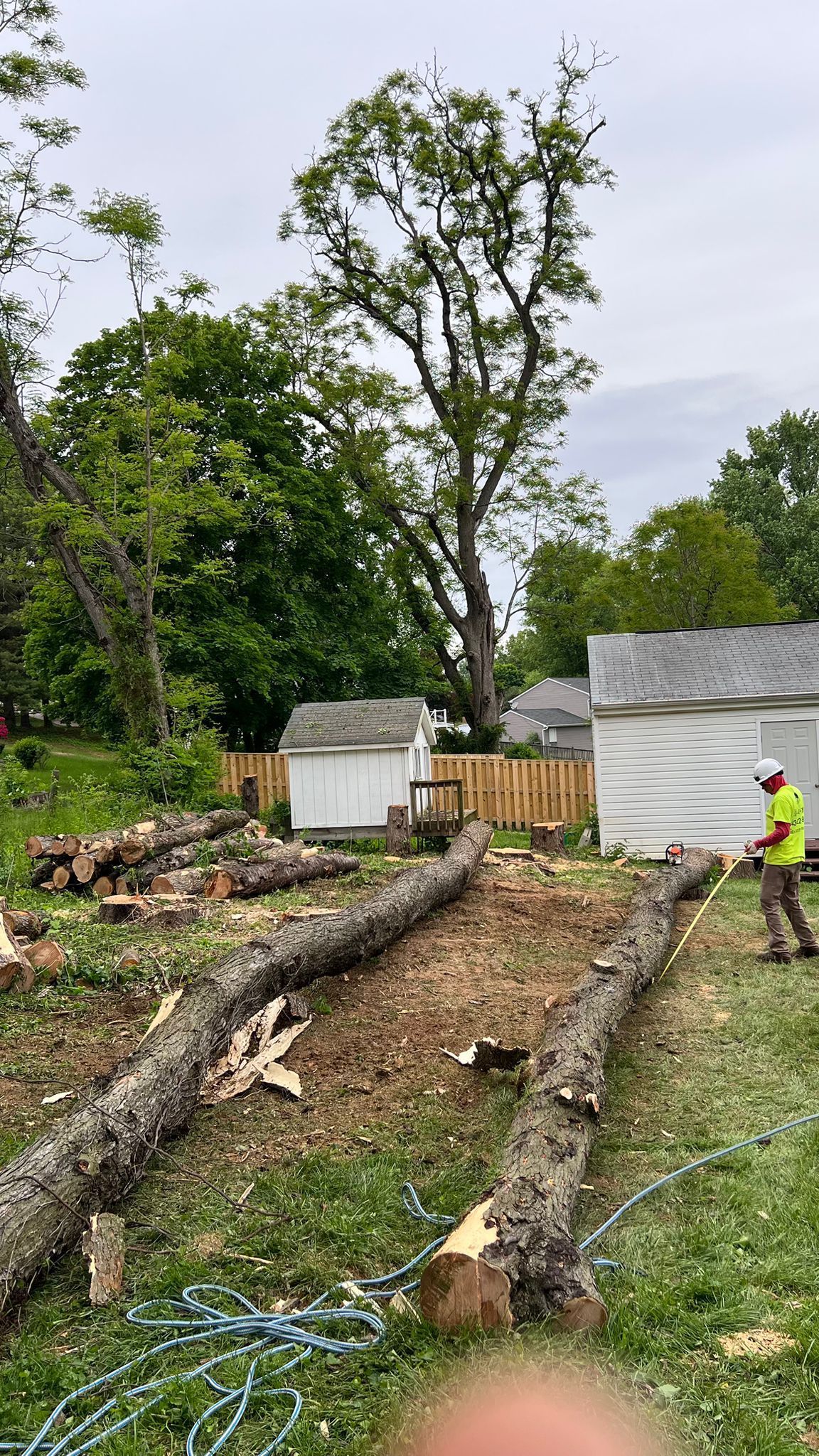
tree removal service MD locals trust, we’re looking at long-term safety. At Express Tree Service, we don’t want to take your trees down unless we have to. But if that tree is a liability, we have the gear to drop it safely before Mother Nature does it for you.
We’ve been doing this for nearly two decades.
We know exactly how to read a tree’s "body language." If your gut is telling you something is wrong, you’re usually right. Give us a shout, and we’ll come take a look before the next storm turns your problem into major property damage.
Worried about a nearby tree?
FAQs
Does Express Tree Service perform a professional hazardous tree assessment for my home?
Absolutely! We provide a full tree hazard assessment to make sure your trees don’t have any signs of rot, root problems, or weaknesses that could cause them to fall. It’s the best way to keep your family safe and avoid expensive property damage.
How often should I have my trees checked out?
Once a year is the sweet spot. This brief walk around the perimeter by an expert before the winter or hurricane season will spot any tiny cracks in the tree trunk or any early signs of disease in the tree roots that would have otherwise gone unnoticed.
Can a tree look healthy but still be ready to fall?
Absolutely. The reality is that a majority of dangerous trees usually appear healthy externally. The interior of a tree may be completely decayed by termites or fungi while still retaining a healthy exterior in terms of green foliage.
What do I do if a large branch hangs over my roof?
Don't wait. That branch is a direct threat to your home’s structure. Hire a professional to have it trimmed or cut down. The cost of doing this now will be a lot less than replacing your roof or fixing your house once the limb falls on it.
Why is a leaning tree so dangerous?
A significant lean usually means the roots have failed or the soil has washed away. Once a tree loses its grip on the earth, gravity takes over. It’s only a matter of time before it tips, especially when the ground gets soaked from heavy rain.
Blog