Why Dead Trees Should Be Removed Before They Become Dangerous
Dead trees fall down. It’s not a question of if, but when. Letting that decomposing tree remain on your property is a huge risk that could potentially take down your roof, your cars, and even your family members. Dead tree removal is essential, as sooner or later gravity will have its way, and you can be sure that the tree will land in a spot that’s very dangerous indeed.
Waiting for a storm to decide the tree's fate is a recipe for a financial and physical disaster. Express Tree Service knows that one bad night of weather can turn a standing dead tree into an expensive insurance claim. Fix the problem while the weather is still calm.
Why You Can’t Ignore That Rotting Trunk
A tree doesn’t need a hurricane to fall. Once the wood dries out, it loses its strength. It becomes brittle and hollow, and it can snap like a toothpick. You are looking at a serious liability every time you walk outside.
- A sudden snap: Dead limbs are known to fall during clear weather.
- Root decomposition: Should there be any root rot, the entire tree will topple over.
- Home to insects: Dead trees tend to attract ants, beetles, and termites.
- Lack of integrity: Wood that is dried out just won’t support wind stress.
Removing dead trees is the only way to sleep better when the wind picks up. You aren't just cleaning up the yard; you are removing a hazard that could literally drop through your living room ceiling.
The Hidden Risks of Waiting
Most homeowners wait until it's too late. They think the tree looks "fine" enough for one more season. But wood rot is a silent killer that moves from the inside out. You won't see it until the tree is already failing.
- Roof repairs: Falling limbs cost thousands to patch up on your roof.
- Utility bills: Knocking out a power line is a neighborhood-wide headache.
- Legal trouble: If your tree hits a neighbor’s house, you’re the one liable.
- Emergency fees: Calling a crew in the middle of a storm costs way more.
Investing in tree removal for dead trees is simply smart money. You pay a professional to take it down on your terms, not when the tree decides to crush your fence or your favorite garden shed.
Is your yard home to a looming hazard?
Don't Try This Yourself
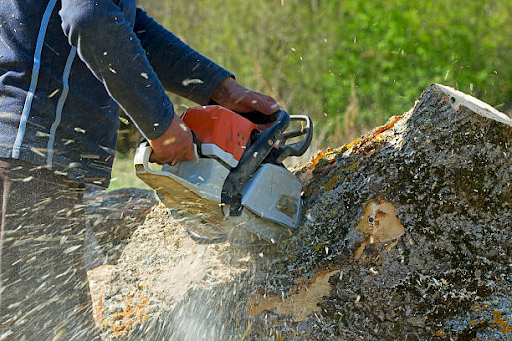
I see it all the time. Someone grabs a chainsaw, climbs a ladder, and thinks they’ve got it covered. That is how people end up in the emergency room. Professional tree work is about physics, not just cutting wood.
- Wrong angle: Trees have a natural lean that can trick you easily.
- Electrical shock: Power lines tend to be in the canopy overhead.
- No rigging equipment: Without the correct rigging equipment, descent cannot be controlled.
- Unseen dangers: Fungus may make a tree hard to predict when cutting.
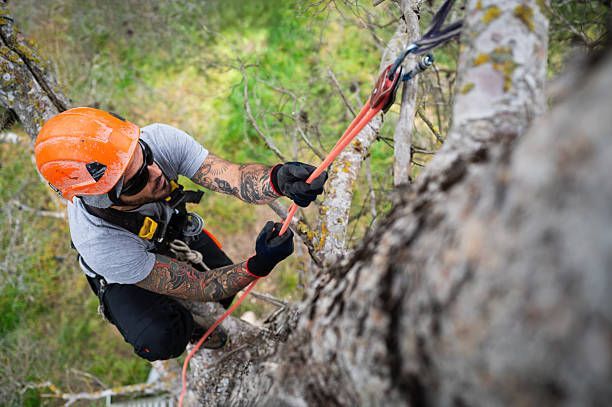
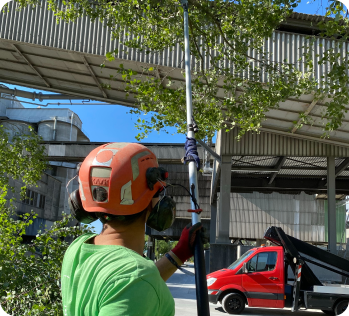
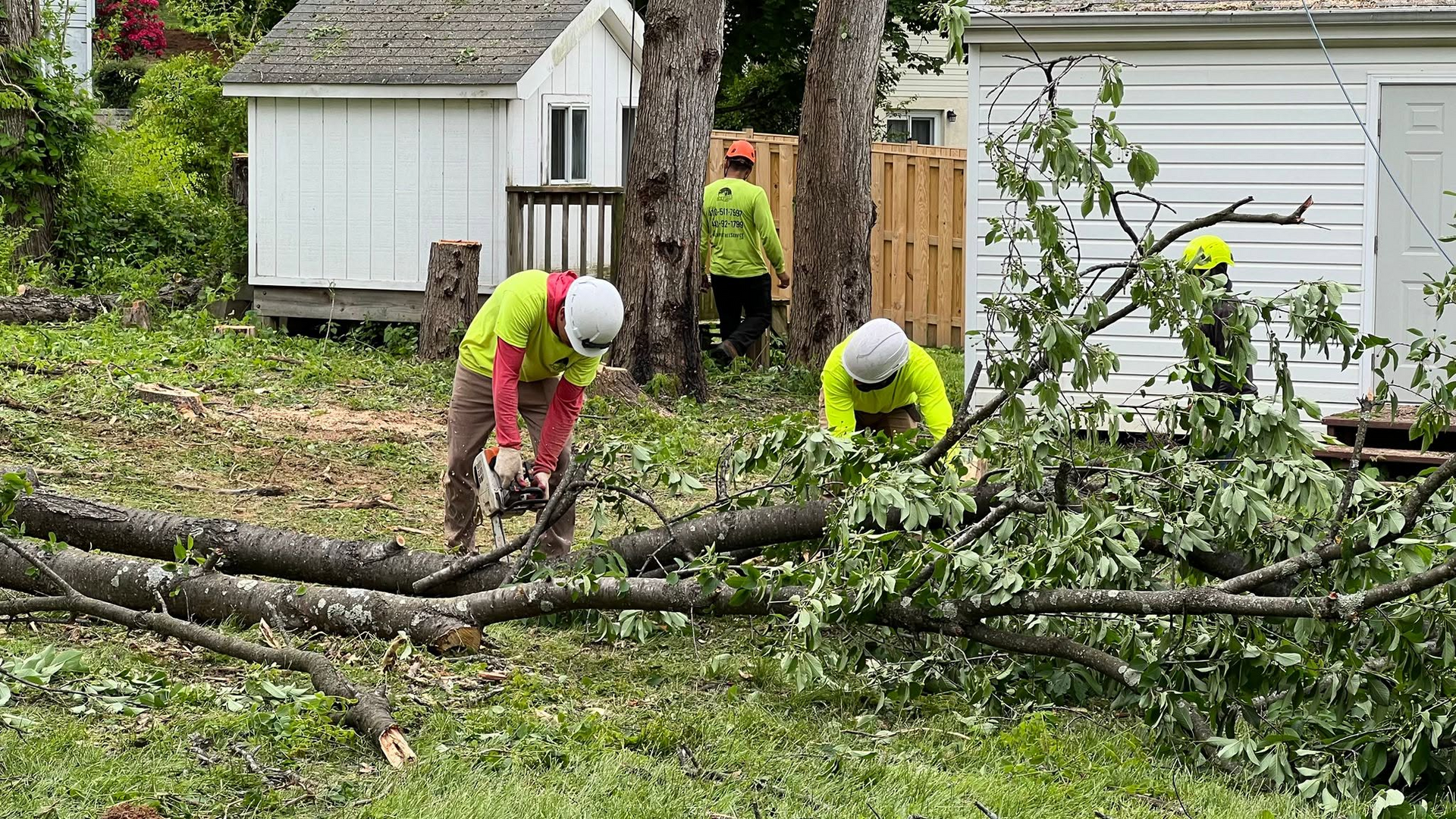
Professional crews have the right equipment to dismantle a tree piece by piece. They guide the branches down safely. They don't guess. They plan. It is the only safe way to clear a hazardous tree from a yard.
Keep Your Property Value Up
A yard full of dead, grey skeletons is a bad look. If you care about curb appeal or you are planning to sell, you need to clear the deadwood out. It’s part of basic home maintenance.
- Sunlight access: Removing dead giants lets the sun hit your grass.
- Stopping the spread: Diseases can easily travel from one infected tree to your healthy oak trees.
- Tidy appearance: The neat appearance of your yard makes it presentable to guests.
- Opportunities for future growth: You create room for other landscaping plants.
Using a professional tree removal service in MD keeps your property looking sharp. They bring the right tools to chip the wood and clear the mess so you don't have to haul logs to the curb yourself.
Investing in Long-Term Care
Good lawn care services in Maryland are about more than just mowing. It is about total yard health. If you have a dead tree, you have an open wound in your landscape. It needs to be treated or removed.
- Identify early: Get a pro to check if a tree is actually dying.
- Trim instead: Sometimes a good pruning saves a tree from total removal.
- Clear the site: Get the stump ground down to prevent tripping hazards.
- Plan ahead: If one tree died, maybe check the others for signs of stress.
The Express Tree Service Approach
We have spent years helping folks clean up their properties and keep their homes safe from falling debris. At Express Tree Service, we handle the hard, risky work so you don't have to climb a ladder or touch a chainsaw.
Don’t be the person who ignores the obvious. The tree isn’t going to get better on its own. It is going to get heavier, weaker, and more dangerous. Deal with it now while you are in control of the situation.
Ready to reclaim your yard's safety and beauty?
FAQs
Does Express Tree Service handle dangerous dead tree removal?
Yes, that’s what we do for a living: dead tree removal. With our experience and specialized equipment, we can safely cut down any unstable trees around homes and utility wires. You and your family will be safe while the tree removal is being done.
How do I tell if my tree is really dying?
Watch out for flaky bark or bark that is dropping off as well as any absence of foliage during the growth period. Also, if you tap on the tree trunk and it feels soft or hollow, then this is definitely not a good sign.
Is it really worth paying to grind the stump?
Yes, it certainly is. Stumps create large trip hazards and also attract termites. In case you decide to leave a stump, it will end up rotting and creating a large pit in your yard. It is therefore advisable to grind down stumps.
Why shouldn't I just cut the tree down myself?
Tree removal is dangerous work that requires precise control. Without proper rigging and experience, a falling tree or branch can easily hit your house, car, or power lines. Pros know how to steer the tree so that it lands exactly where it is supposed to.
Does insurance cover a tree that falls on my house?
Usually, but only if the tree was healthy. If an insurance company discovers you knew the tree was dead and failed to remove it, they may classify it as neglect. That means you could end up paying for the entire repair bill yourself.
Blog